 OPTIMUS DISTRIBUTOR
Static and dynamic balancing valves that give each branch its design flow, not its plumbed luck.
Pettinaroli · Italy · Hydronic balancing
Pettinaroli balancing and PICV, sized per terminal
Fratelli Pettinaroli of San Maurizio d'Opaglio, Italy manufactures hydronic balancing valves, PICV and fittings for heating and cooling systems. Optimus Distributor supplies the range in Malaysia, including the EvoPICV pressure independent balancing and control valve, Dynasty 92 PICV and the FilterBall 51F ball valve with integrated strainer, with engineers who size and select each valve for the terminal unit it will serve.

- Principal
- Fratelli Pettinaroli S.p.A.
- Origin
- San Maurizio d'Opaglio, Novara, Italy
- Heritage
- Over 80 years
- Makes
- Hydronic balancing, PICV, fittings
- Key ranges
- EvoPICV · Dynasty 92 · FilterBall 51F
- Status
- Authorised distributor
Who Pettinaroli is
Fratelli Pettinaroli has spent over 80 years making valves and fittings in San Maurizio d'Opaglio, in Italy's Novara valve-making district — and today the name is best known for one discipline: hydronic balancing. Balancing valves, pressure independent control valves and the fittings around them are the whole of what the factory does, which is exactly what you want from the component deciding whether flow actually reaches the far end of your chilled-water riser.
In our line-up Pettinaroli is the building-services specialist: where KITZ isolates and Yoshitake regulates steam, Pettinaroli meters water to the terminal unit — fan coil by fan coil, AHU by AHU.
PICVs that combine balancing, control and differential-pressure regulation in one body.
The fittings, hoses and accessories that complete the terminal-unit hook-up.
Why hydronic systems need balancing at all
Water is lazy: it takes the path of least resistance, which means the fan coils nearest the pump drown in flow while the far corners of the building starve. The classic symptoms — cold complaints on the top floor, pumps run flat out to compensate, chillers cycling on false loads — are balancing problems wearing comfort-problem costumes. A balanced system delivers design flow to every terminal at once, and a pressure independent valve holds that flow even as other zones open and close around it.
The full argument, with the maths and the retrofit cases, is in our pillar guide to hydronic balancing and PICV for commercial buildings; for the valve itself, start with what a PICV actually does.
03 · The ranges
Three Pettinaroli ranges, and the job each one owns
| Range | What it is | Where it belongs | Why specify it |
|---|---|---|---|
| EvoPICV | Pressure independent balancing and control valve | Fan coil units, chilled beams and small AHUs across variable-flow systems | Balancing, two-way control and ΔP regulation in one body — one valve replaces three |
| Dynasty 92 | PICV series | Terminal-unit circuits in commercial heating and cooling plants | Design flow held per terminal regardless of what the rest of the network is doing |
| FilterBall 51F | Ball valve with integrated strainer | Terminal-unit inlets and equipment connections that need isolation plus dirt protection | Isolation and strainer in a single fitting — fewer joints, less installed length |
Range descriptions follow the manufacturer's published literature. Sizes, Kvs values, pressure ratings and actuator options are datasheet data — confirm against the current Pettinaroli catalogue and your purchase order when specifying.
Isolation and dirt protection in one fitting
Every terminal unit needs an isolation valve, and every control valve deserves a strainer in front of it — the FilterBall 51F simply refuses to make those two components. A ball valve with an integrated strainer gives the fitter one joint instead of three, shortens the installed run at a crowded fan-coil connection, and means the strainer is never the part that got dropped from the order. On a tower with hundreds of terminal units, the saved joints and saved centimetres add up to real installed cost.
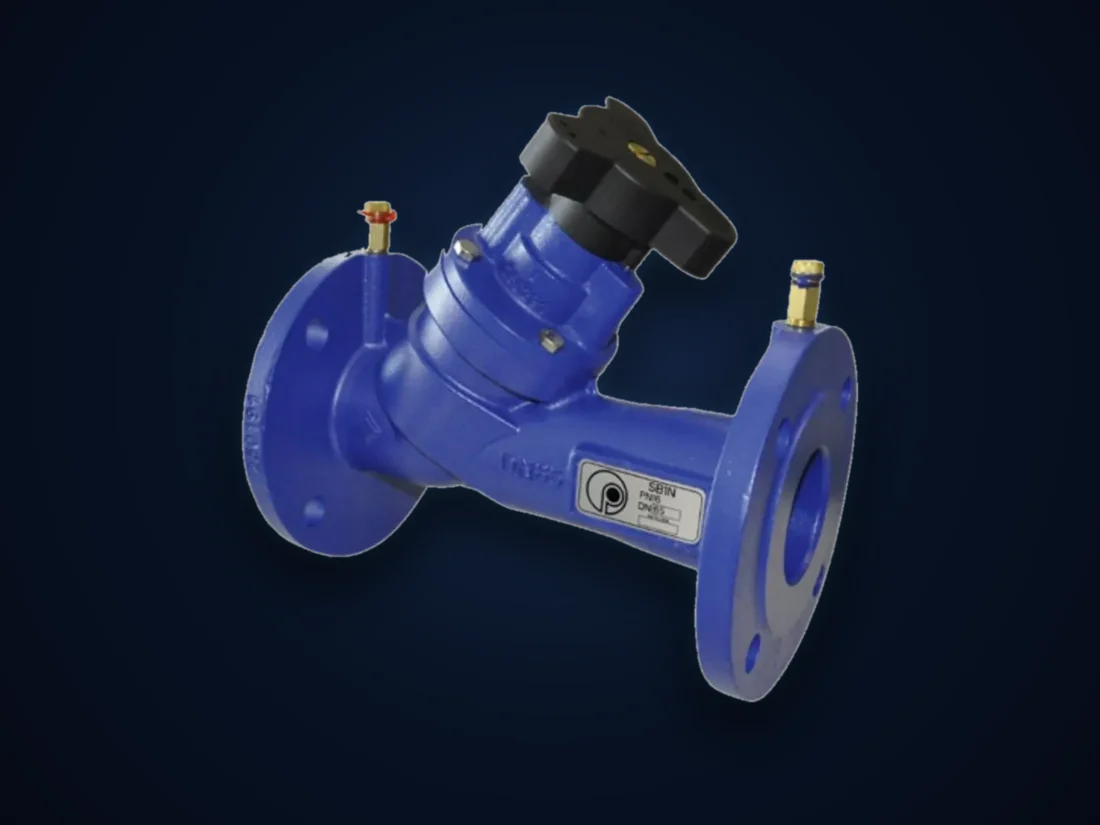
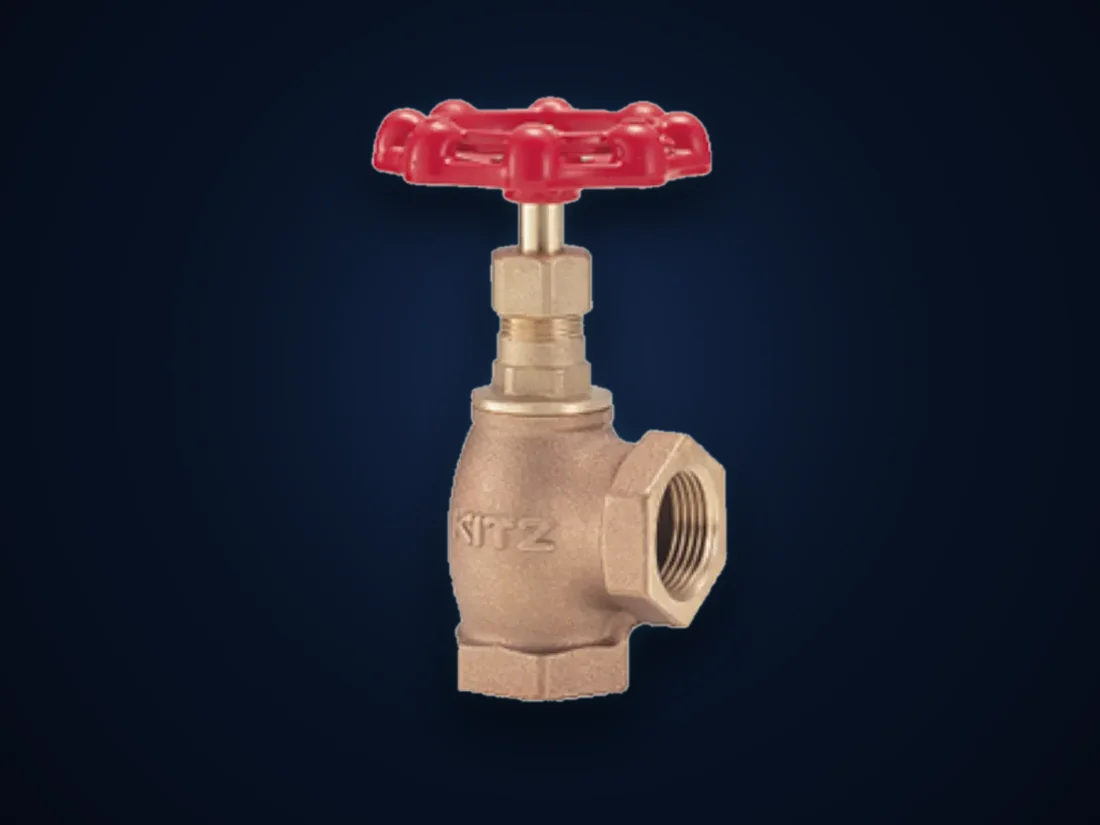
Mechanical PICV first, for terminal units
We hold a published position on this line, and it is worth stating plainly: for terminal units, we recommend mechanical PICV over electronic PICV. An E-PICV inflates the valve budget 2× to 4×, adds power and wiring as failure points, suffers sensor drift in dirty closed-loop water, and needs electronics-literate maintenance for the life of the building. A mechanical PICV holds design flow with a spring and a diaphragm — no power, no sensors, nothing to drift. The full reasoning, duty by duty, is in mechanical PICV vs electronic PICV.
That is also why the two PICV ranges we stock are mechanical. Where an electronic valve genuinely earns its premium — and there are such cases — we will say so on the call.
Sized per terminal, not per guess
A PICV is only pressure independent inside its working range, so selection is a flow-schedule exercise: each terminal's design flow, the available differential pressure, and the actuation the BMS expects. Send us the schedule and we size valve by valve — we sit down with your engineers to make sure you get the right solution, and the same conversation flags where a FilterBall or a static balancing valve completes the circuit. More background lives on our insights hub, alongside the glossary for the hydronic vocabulary.
- Design flow per terminal — the number the whole selection hangs on
- Available ΔP across the circuit, worst case and best case
- Actuator and control signal to match the BMS
Pettinaroli · Authorised distributor
Send the flow schedule, get it sized.
Terminal flows and available ΔP are enough to start. Price, lead time and stock on the first reply — with the selection shown valve by valve.