 OPTIMUS DISTRIBUTOR
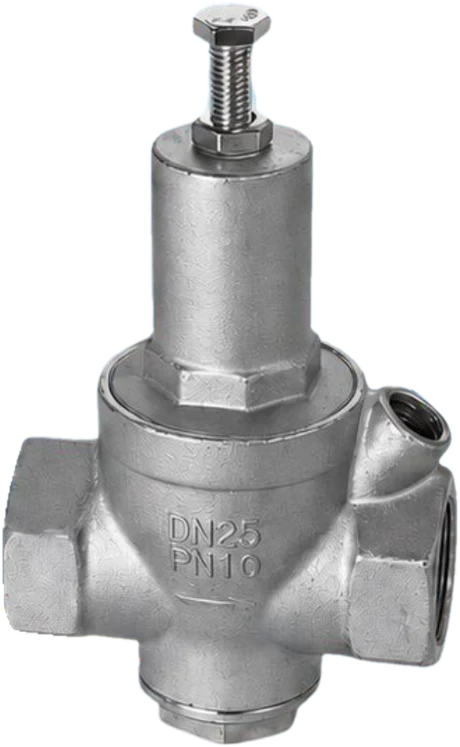
Regulating and pressure reducing valves that hold a set downstream pressure as demand swings.
Yoshitake · Japan · Steam & pressure control
Yoshitake PRVs and steam traps, matched to the duty
Steam trap selection starts with the application: process loads need traps that discharge condensate continuously, while drip legs and tracer lines suit thermodynamic or thermostatic patterns. Yoshitake of Nagoya, Japan manufactures regulating valves, PRVs and steam traps for exactly these duties, and Optimus Distributor supplies the range in Malaysia with engineering support to match trap type, connection and pressure rating to each line.
- Principal
- Yoshitake Inc.
- Origin
- Nagoya, Japan
- Founded
- 1937
- Makes
- Regulating valves, PRVs, steam traps
- Status
- Authorised distributor
- Stocked at
- Subang Jaya, Selangor
Who Yoshitake is
Yoshitake has been building fluid-control equipment in Nagoya, Japan since 1937 — regulating valves, pressure reducing valves and steam traps are the heart of the catalogue. Where our KITZ line answers the isolation question — open or closed — Yoshitake answers the control question: what pressure, and where does the condensate go. The two lines leave our Subang Jaya warehouse together on most steam-plant orders for precisely that reason.
Nearly ninety years spent on one problem set shows in the details: dedicated steam, water and air variants rather than one casting asked to do everything, and consistent spring and diaphragm behaviour that makes commissioning predictable.
Steam traps that pass condensate and air out of the line while holding live steam in it.
Strainers and accessories that keep pipeline dirt out of the trim doing the fine work.
How a PRV holds downstream pressure
A pressure reducing valve does one job continuously: it senses downstream pressure against a spring setting and throttles itself so the set value holds, whether the load is one tracer line or a whole process floor. Steam and water services load a PRV very differently — steam duties contend with velocity, flashing and temperature, water duties with seat wear and pressure creep at zero flow — which is why the range separates them rather than offering one universal body.
Sizing is where PRV projects are won or lost. An oversized valve hunts around its set point and chews its own seat; an undersized one starves the load at peak draw. We walk through the arithmetic in how to size a PRV for steam and water service — or send us the upstream pressure, set pressure and flow, and we will run it with you.
03 · Duty → device
Which device belongs on which line
| Duty | Device | How it works | Where it belongs |
|---|---|---|---|
| Reduce steam pressure | PRV for steam | Spring or pilot senses downstream pressure and throttles against it | Boiler headers feeding lower-pressure process, sterilisers, heat exchangers |
| Reduce water pressure | PRV for water | Direct-acting diaphragm holds set pressure with tight shutoff at no flow | High-rise domestic water, equipment feed lines, pump discharge zones |
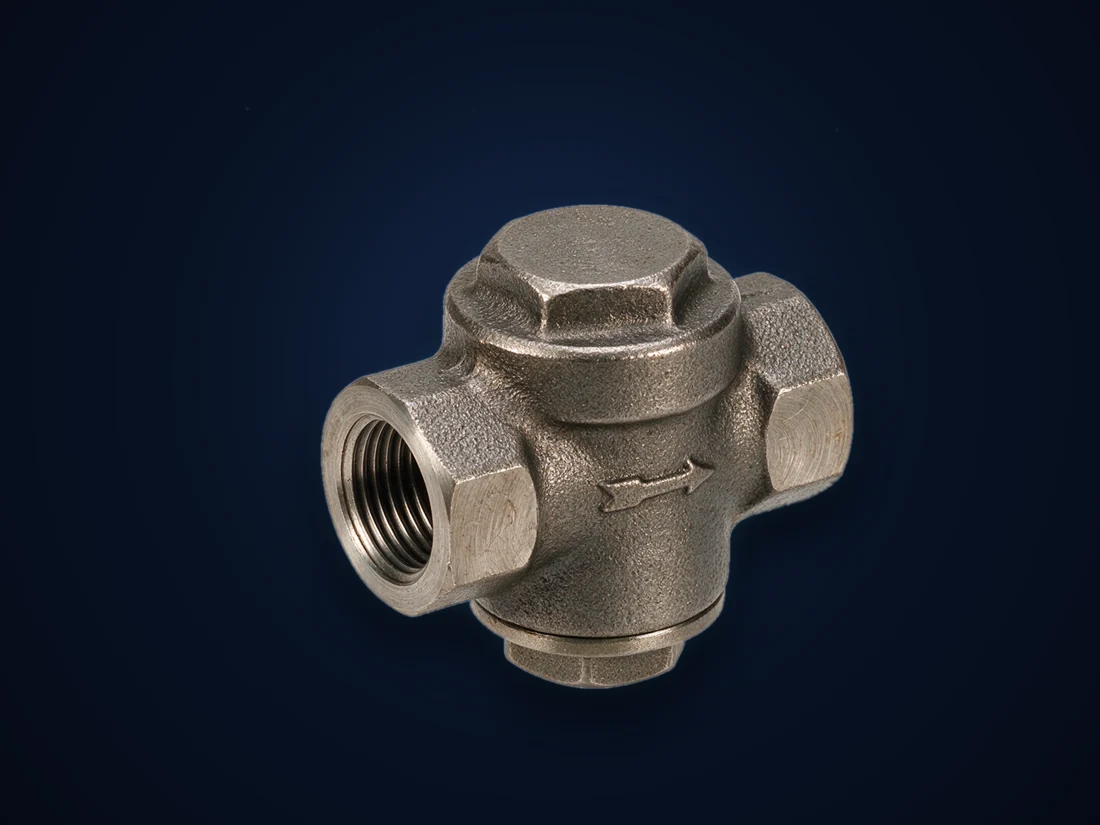
| Drain drip legs | Thermodynamic trap | A single disc cycles on the pressure difference between flash steam and condensate | Steam main drip points and outdoor lines — compact, robust, watertight to abuse |
| Vent air, drain tracers | Thermostatic trap | A temperature element opens to cooler condensate, closes to live steam | Tracer lines and coils where condensate may sub-cool before discharge |
| Drain process loads | Mechanical trap (float / bucket) | A float or bucket follows condensate level and discharges continuously | Heat exchangers and process equipment where condensate must leave the instant it forms |
Trap and PRV behaviour described here is general steam engineering practice — pressure ratings, connections and capacities are published standards data, so confirm the figures against the current Yoshitake datasheet and your purchase order before ordering.
Matching the trap to the application
The table above is the map; the territory is your line. A process load — a heat exchanger heating palm oil, a jacketed vessel — floods the moment condensate backs up, so it needs a mechanical trap that discharges continuously at saturation temperature. A drip leg on a steam main only sheds a trickle, so a thermodynamic disc that snaps open a few times a minute is ideal. Tracer lines sit in between: a thermostatic trap that holds condensate until it sub-cools recovers useful heat before letting go.
Picking the wrong pattern rarely fails loudly. It fails as water hammer at 6am, slow heat-up, or a trap quietly blowing live steam into the condensate return for months. If banging pipes are what brought you here, start with what causes water hammer and how selection prevents it — trap choice is a recurring culprit.
The unglamorous parts that keep the fine work alive
A PRV or trap is precision trim sitting in dirty pipework, and the cheapest insurance on the line is the wye strainer bolted in front of it — our catalogue carries 24 strainer line items across brands for exactly that reason. Around the headline devices sit the supporting cast: sight glasses to verify a trap is actually cycling, separators to dry the steam, and air vents to shorten warm-up. Speccing them together, as one assembly, is how a reducing station goes in right the first time.

Engineers on the call, from duty to figure number
Steam questions are system questions, and this is the line where our engineering support earns its keep: we don't just sell parts — we sit down with your engineers to make sure you get the right solution. Refinery deodoriser steam, sterilisation, hot-water sets and building services each load a PRV and trap differently; the same conversation covers the palm oil and oleochemical duties we see most. To go deeper on any term on this page, the glossary covers the steam vocabulary.
- Upstream and set pressure, flow and fluid — the four numbers that size a PRV
- Load type, back pressure and orientation — what picks the trap pattern
- Connection, rating and material to match the rest of your line
Yoshitake · Authorised distributor
Send the duty, we'll return the device.
Pressures, flow and what the line feeds — that's enough to start. Price, lead time and stock on the first reply, with the selection reasoning shown.