 OPTIMUS DISTRIBUTOR
Valves for palm oil refining and oleochemical duty
Palm oil refineries and oleochemical plants run continuous, high-temperature processes where a failed valve means lost production. Optimus Distributor names these industries among its main markets and supplies them with gate, globe, ball, butterfly and check valves, steam traps and pressure reducing valves matched to hot oil, steam and utility services — with engineers who help plant teams avoid both under-specification and costly over-engineering.
- Physical refining
- Bleaching
- Deodorisation
- Fractionation
- Oleochemical synthesis
- Tank farm & utilities
Crude palm oil to finished product, stage by stage
A palm oil refinery is a continuous plant. Crude palm oil arrives hot, moves through degumming and bleaching, and is stripped of odour and free fatty acids in a deodoriser running under deep vacuum at temperatures far beyond anything a water network sees. Downstream, oleochemical plants split, distil and esterify that oil into fatty acids, glycerine and derivatives. None of it pauses politely while a valve is repacked.
- 01Crude
- 02Degumming
- 03Bleaching
- 04Deodorising
- 05Fractionation
Hot oil, steam and utilities — three services, three questions
Three service families dominate the valve schedule: the hot oil lines that alternate between pumped transfer and standstill; the steam system that drives bleaching and deodorisation; and the utility backbone of water, compressed air and cleaning circuits. Each asks a different question of the valve installed on it — which is why the duty map below is organised by service, not by product family, before any brand name enters the conversation.
Valves for the refinery's hot oil side
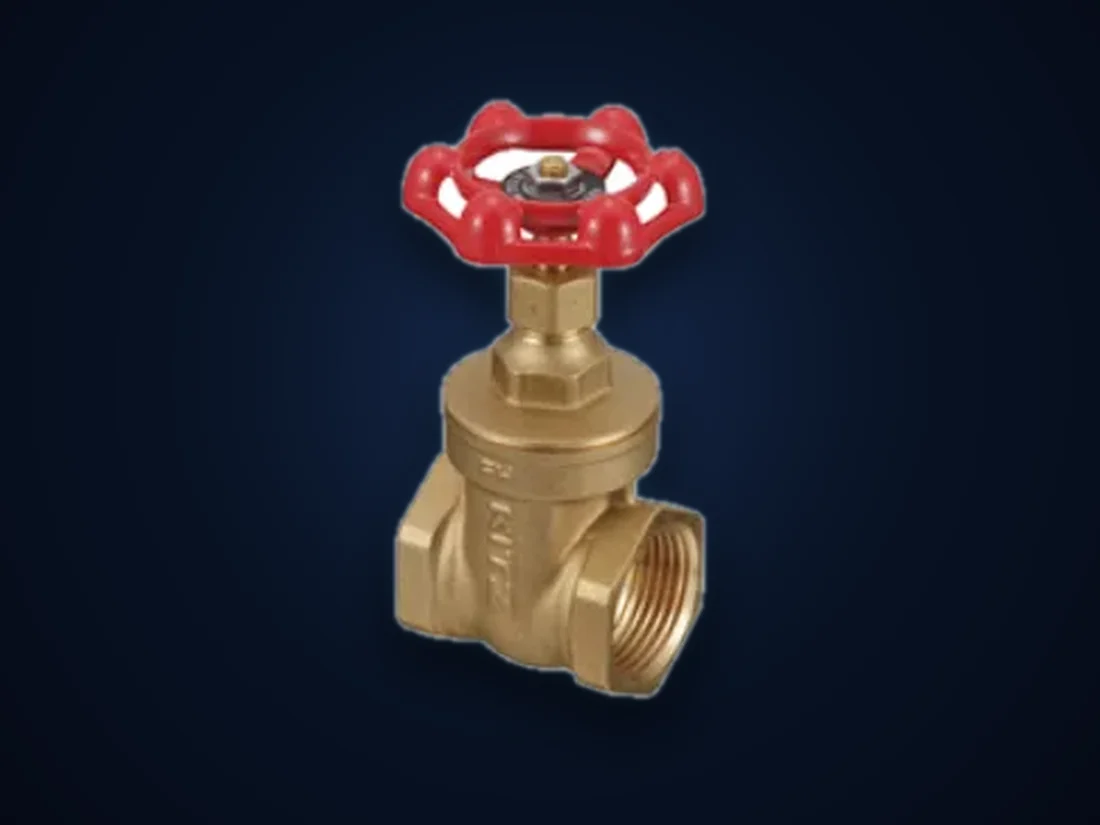
Hot oil transfer is gate and globe territory. A carbon steel gate valve gives full-bore isolation on transfer runs that are opened slowly and rarely; a globe valve takes the throttling duty where an operator meters flow into a bleacher or a heat exchanger. On the oleochemical side, fatty acid streams grow more corrosive as they grow purer, and stainless steel starts earning its premium — the trade-offs are laid out in our body-materials comparison and in gate, globe or ball.
- Carbon steel gate valves — full-bore isolation on hot CPO transfer runs
- Globe valves — throttling into bleachers, exchangers and recycle lines
- Stainless steel bodies — fatty acid and derivative streams on the oleochemical train
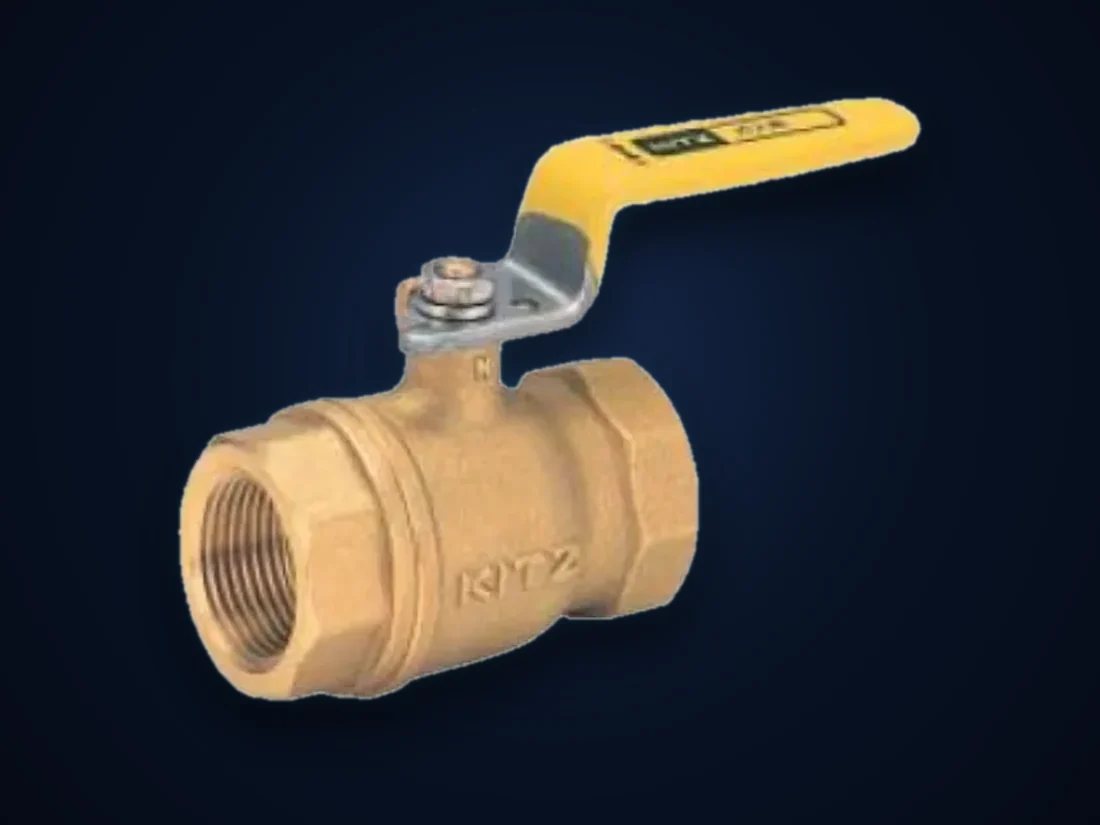
- Quarter-turn ball valves — utility water, air and CIP circuits that cycle daily
The core line behind these duties is KITZ, held on our own racks in Subang Jaya, with Tiemme components covering the light utility side.
Refining service, valve family, and the principal behind it
| Process duty | Typical service | Valve family | Principal |
|---|---|---|---|
| CPO receiving & hot oil transfer | Hot crude palm oil, continuous pumped flow, elevated temperature | Gate & globe valves, carbon steel | KITZ |
| Bleacher & deodoriser steam | Steam let down to process pressure, condensate recovery | Pressure reducing valves & steam traps | Yoshitake |
| Pump discharge protection | Reverse-flow prevention without slam on stop | Silent / axial check valves | DFT |
| Boiler flue gas & combustion air | Hot gas isolation and flow balancing in ducting | Industrial dampers | DTL |
| Utility water, air & CIP | Frequent cycling, tight shutoff, easy operation | Ball valves & fittings | KITZ · Tiemme |
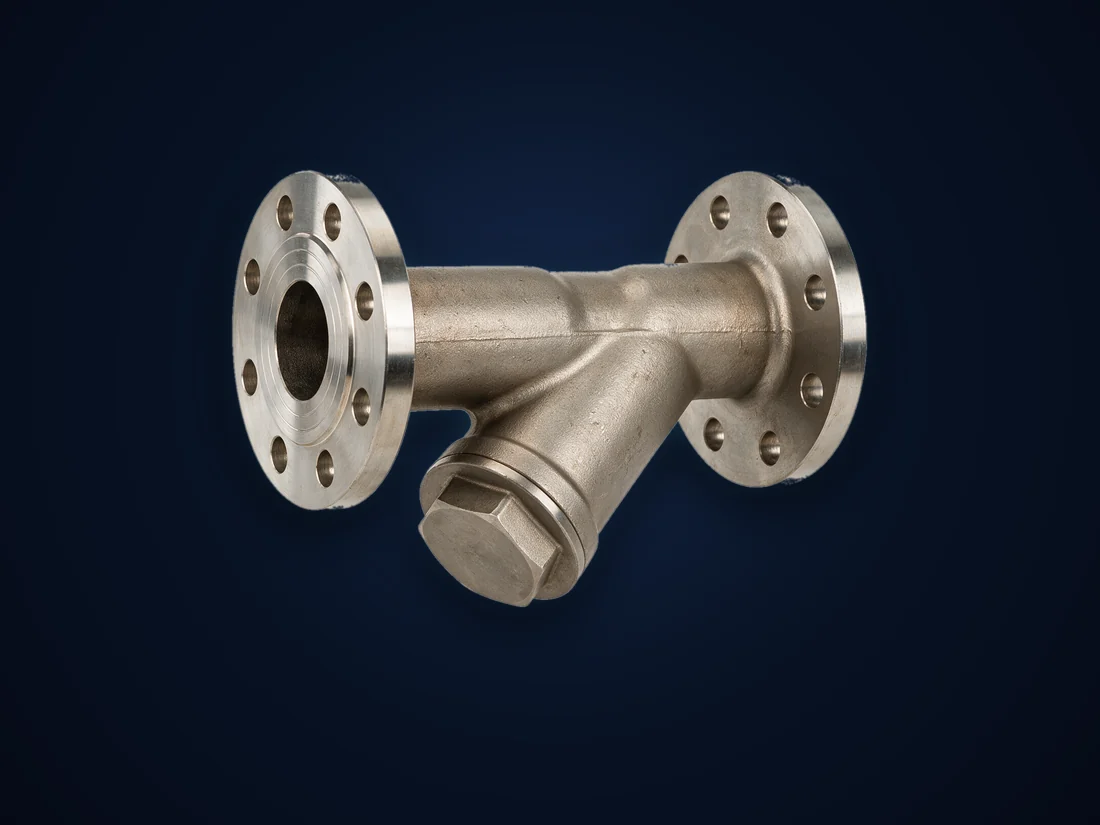
| Line protection ahead of pumps | Debris capture with scheduled screen cleaning | Wye strainers & filters | KITZ |
The map is selection guidance, not a specification. The right figure for any line depends on fluid, pressure, temperature and cycling — which is what the enquiry call is for. Tiemme is one of our principals; our authorised distributorships are KITZ, Yoshitake, Pettinaroli, DFT and DTL.
Steam traps and PRVs behind the deodoriser
Bleaching and deodorisation run on steam, and steam arrives from the boiler at a higher pressure than the process wants. That letdown is the job of a pressure reducing valve that is sized, not guessed — an oversized PRV hunts and an undersized one starves the process, a failure mode we walk through in how to size a PRV. Downstream, condensate has to leave through steam traps matched to the application, or it accumulates and hammers the return lines on every morning start — the mechanics are in our water hammer guide.
Both duties sit with Yoshitake pressure reducing valves and steam traps — regulating equipment is that principal's entire business, and the steam side of a refinery is where that focus shows.
What the ducting side needs instead
The refinery's boilers and thermal oil heaters breathe through ducting, and ducting needs its own isolation and balancing hardware: butterfly, louver and guillotine dampers that hold their geometry in hot, particulate-laden flue gas. It is a different engineering discipline from pipeline valves — seat leakage classes give way to blade seal design and duct loading — and it is covered by DTL industrial dampers, the damper specialist on our line card.
Avoiding the two specification mistakes
Ask our sales engineers what actually goes wrong in this industry and the answer is rarely exotic. It is the same pattern, in both directions:
What our engineers see“Customer either go too cheap and face costly downtime, or over-engineer without considering what their project actually needs.”
On refinery and oleochemical enquiries
Too cheap looks like a bargain gate valve seizing on a hot oil line and taking a production run with it — the arithmetic is in why the cheapest valve usually costs the most. Over-engineered looks like stainless steel and high pressure classes on utility duties that will never see either, quietly inflating a project budget. The cure for both is the same conversation: duty first, budget second, as our selection guide argues — fluid, temperature, pressure and cycling before any catalogue page is opened.
Working the schedule with your plant engineers
Our published industry list reads Palm Oil Refinery · Oleochemical · Oil & Gas · Petrochemical · Shipyards · Water Works · General Industries — and the first two names on it are these plants. In practice that means we sit down with refinery and plant engineers to match each valve to its duty rather than reading a figure number off a purchase order, and we answer the three questions every first call asks — price, lead time and stock — from our own warehouse racks. The process, from enquiry to delivery, is described in how ordering and technical support work.
Send the line list from your next shutdown.
Duty by duty, we'll come back with price, lead time and stock — and flag anything that looks under- or over-specified before it costs you.