 OPTIMUS DISTRIBUTOR
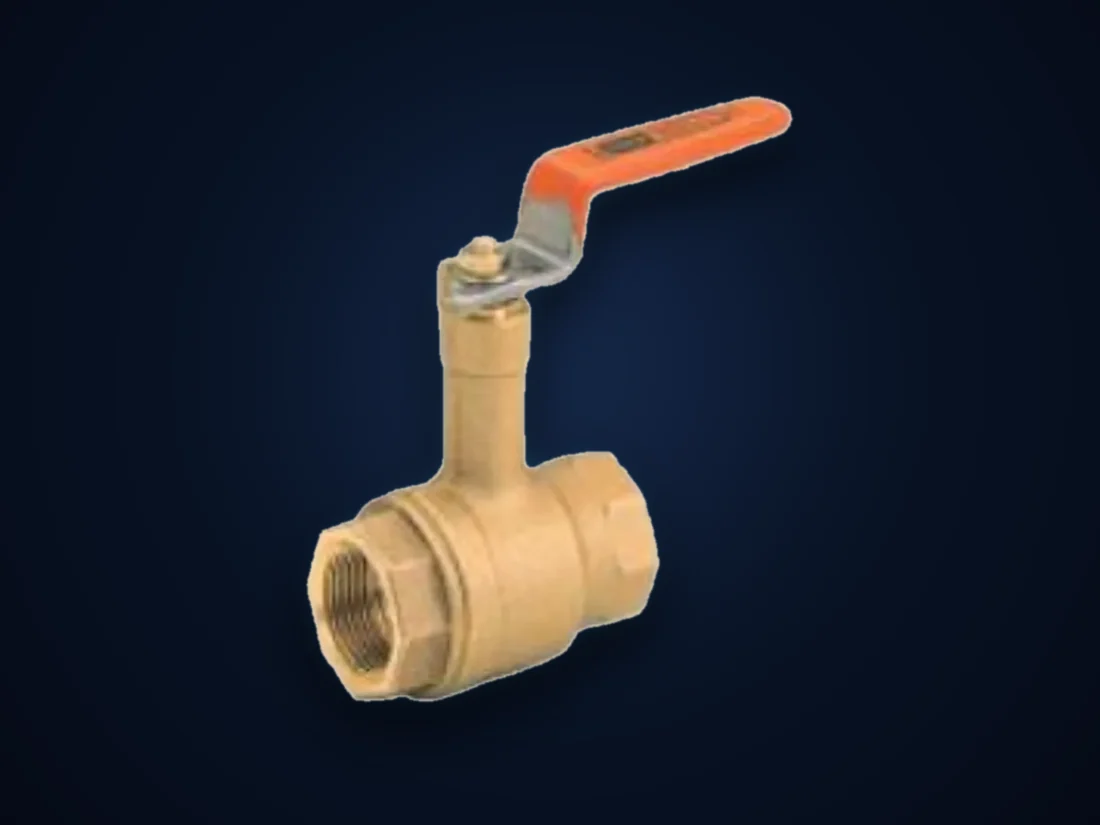
Brass ball valves for water and heating circuits, sized for the small-bore end of the installation.
Tiemme · Italy · Plumbing & heating
Tiemme components, made in Italy, fitted right
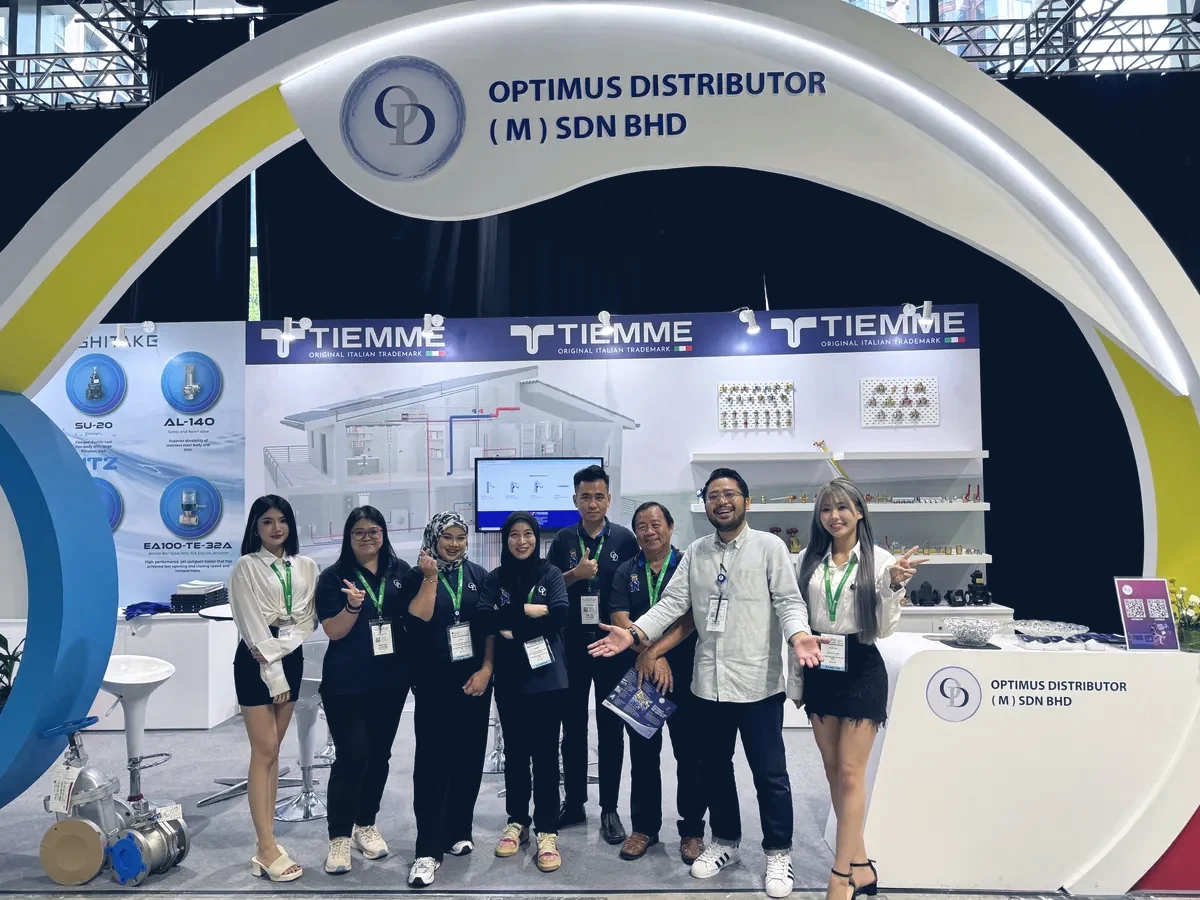
Tiemme Raccorderie of Castegnato, Brescia, Italy produces plumbing and heating components — full-bore ball valves, tapered-thread connections and anti-legionella options for mechanical and plumbing contractors. Tiemme is one of Optimus Distributor's principals, supplied alongside its valve lines with engineers who confirm the right fitting, thread and seal for each installation before it is ordered.
- Principal
- Tiemme Raccorderie S.p.A.
- Origin
- Castegnato, Brescia, Italy
- Makes
- Plumbing & heating components
- Status
- Principal
- Stocked at
- Subang Jaya, Selangor
Who Tiemme is
Tiemme Raccorderie makes plumbing and heating components in Castegnato, in the Brescia district that has supplied Europe's brass fittings for generations. Raccorderie literally means "fittings works" — this is a factory whose entire identity is the connections, valves and small brassware that a mechanical installation is actually assembled from.
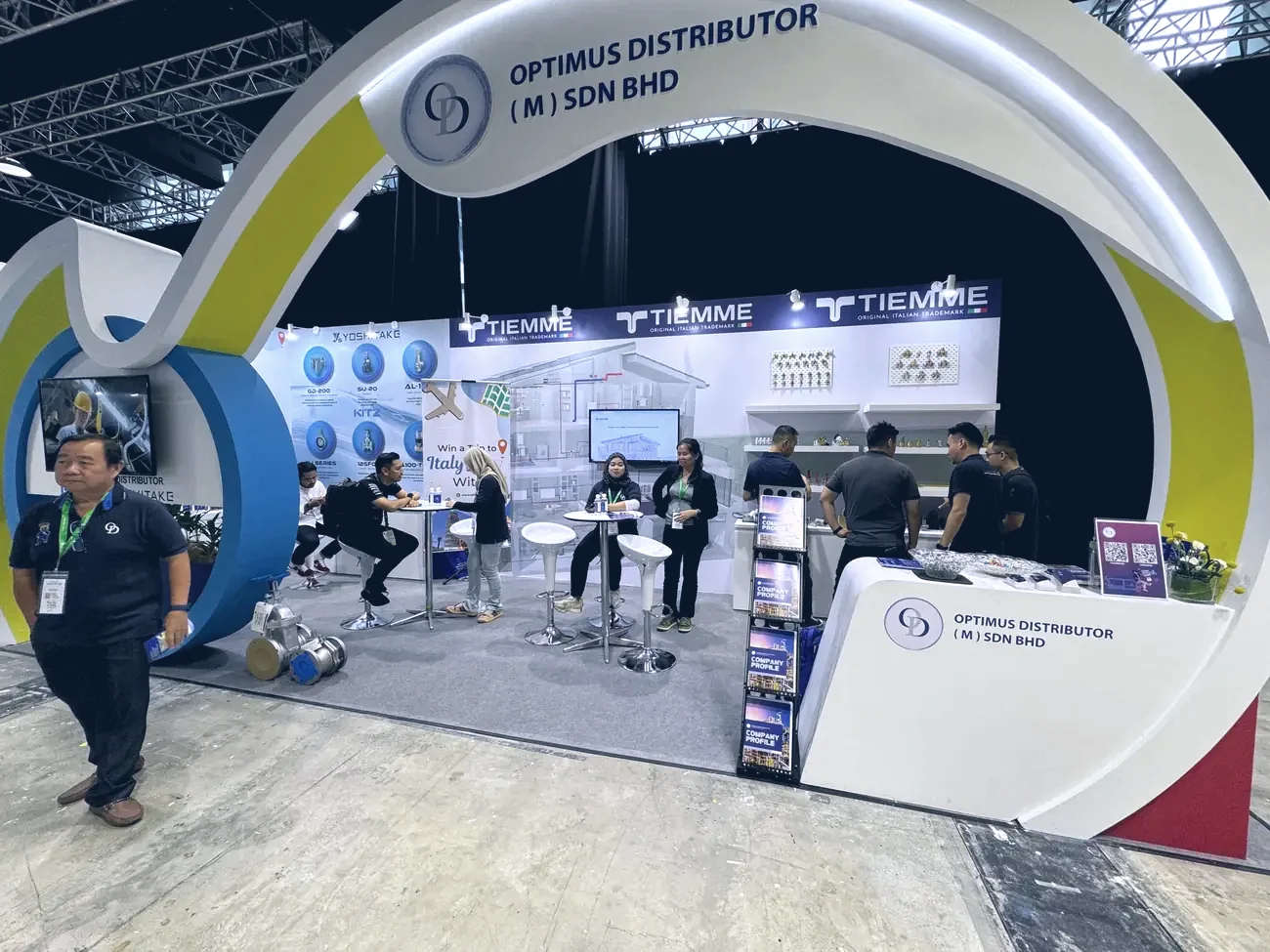
Tiemme is one of our principals, sitting alongside the KITZ and Pettinaroli lines on the brand wall. On a typical project the big valves get the attention, but the fittings outnumber them fifty to one — and every one of them is a joint that either seals for twenty years or calls a contractor back in six months.
Threaded and press connections that join pipe to equipment, meter to manifold.
Manifold and pipework components that carry heating and domestic water to its end points.
What the range covers
Tiemme's production is Italian, and the range reads like a bill of materials for the wet side of a building: ball valves in the small-bore sizes, tapered-thread connections for the joints that must seal on the thread itself, fittings for multilayer pipe systems, and anti-legionella options for domestic hot water. For a contractor, the practical value is coherence — components engineered as one system, from one maker, rather than a drawer of near-compatible parts from five.
It is also the line where going cheap stings soonest. A failed brass fitting costs pennies at the counter and a ceiling at the callback — the arithmetic we walk through in why the cheapest valve usually costs the most.
03 · The components
Four component families, and where each fits
| Component | What it does | Where it fits | Worth knowing |
|---|---|---|---|
| Full-bore ball valves | Quarter-turn isolation with a bore the full pipe diameter | Riser take-offs, equipment isolation, meter connections | No added pressure drop — the valve disappears from the hydraulic calculation |
| Tapered-thread connections | Seal on the thread itself as it tightens | Joints to equipment, gauges and existing threaded pipework | Match the thread standard on both sides — tapered into parallel is a slow leak in waiting |
| Anti-legionella options | Support the hot-water temperatures and circulation that keep legionella suppressed | Domestic hot water circuits in hospitals, hotels, high-rise residential | Specified up front, compliance costs a component — retrofitted, it costs a shutdown |
| Multilayer pipe fittings | Join metal-polymer composite pipe to valves, manifolds and equipment | Distribution pipework in modern residential and commercial fit-outs | The fitting system and pipe are engineered as a pair — mixing suppliers voids the logic |
Component guidance is general plumbing and heating practice. Sizes, thread standards and temperature ratings are datasheet data — confirm against the current Tiemme catalogue and your purchase order when specifying.
The two details that separate good brassware
Two details tell you most of what you need to know about a small ball valve. The first is the bore: a full-bore valve passes the pipe's full diameter, so it adds effectively no resistance and never becomes the pinch point in a circuit that was calculated without it. The second is the stem seal — the one part of an isolation valve that moves, and the place a cheap valve weeps first. Redundant stem sealing is what lets a valve sit untouched for years and still turn dry-handed.
Neither detail shows in a photo, and both show in service. The same logic — pay for the metal where the duty lives — runs through our body-materials comparison, one size class up.
Hot water that stays safe by design
Legionella control in a building is mostly a temperature-and-circulation problem: keep stored hot water hot, keep it moving, and eliminate the lukewarm dead legs where the bacteria multiply. The component choices are made at design time — circulation-friendly valve arrangements, thermostatic control, and fittings rated for the disinfection temperatures the maintenance regime will run. Tiemme's anti-legionella options exist for exactly this duty, and hospitals, hotels and high-rise domestic systems are where they earn their specification.
Where Tiemme fits in a Malaysian job
On Malaysian projects the Tiemme line typically rides along with the valve order: the M&E contractor buys isolation and control from our other principals, then completes the connections, small-bore isolation and hot-water componentry from the same counter. One supplier, one delivery across Malaysia including Sabah and Sarawak, and one engineering conversation covering the whole schedule — thread standards checked before the order, not at the leak test. Our FAQ covers the ordering details, and the glossary defines the fitting vocabulary.
- Pipe material and size — copper, steel or multilayer decides the fitting family
- Thread standards on the equipment side, so both ends of the joint agree
- Hot-water regime — temperatures and circulation the components must live with
Tiemme · Principal line
Send the fitting schedule, or just the pipe spec.
Either is enough to start. Price, lead time and stock on the first reply — with threads and seals confirmed before anything ships.